Reviewing Stay Home SVG Design for Embroidery
As a designer who spends half my life digitizing files and the other half watching needles pierce fabric, I have learned that not every graphic translates well to thread. When I first encountered Stay Home Svg Design, What I Love Most a, my initial reaction was cautious curiosity. It arrived as part of a collection labeled under Freebies and Graphics, which often signals simple, mass-produced clip art. However, after loading the files into my software and running a few test stitches, I found a design that holds surprising potential for the right project.
The core of this review is not just about whether the file opens correctly, but how it performs in the real world. I recently used this design for a custom order involving a set of heavyweight cotton tote bags for a local boutique. The client wanted something that spoke to comfort and domestic pride without being overly sentimental. This design fit that brief, but it required careful handling to ensure the final product looked professional rather than amateurish.
First Impressions and Visual Personality
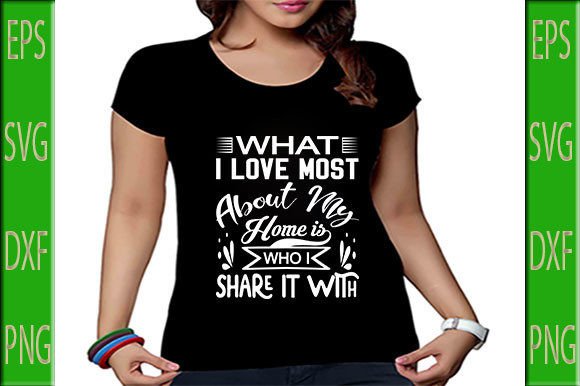
The visual personality of Stay Home Svg Design, What I Love Most a is understated. It does not scream for attention with complex gradients or intricate shading, which is actually a benefit for embroidery. In the digital realm, we often get distracted by what looks good on a screen. In embroidery, clarity is king. The shapes in this design are bold enough to be recognized from a distance, yet simple enough to avoid excessive stitch counts that can pucker lightweight fabrics.
The mood it creates is one of quiet confidence. It feels modern and minimalist, aligning well with current trends in handmade product aesthetics. For Etsy sellers and small shop owners, this is crucial. Customers are moving away from cluttered, busy designs toward clean, intentional graphics that signal quality. When I viewed the SVG file, the paths were clean, which suggests that the digitizer—or the original vector artist—paid attention to node placement. This matters because clean vectors lead to cleaner stitch files when you convert them for machine use.
Real-World Application: The Tote Bag Test
Putting theory into practice, I applied this design to a canvas tote bag. This is a common item for craft business owners, but it presents specific challenges. Canvas has a visible texture, and if your stitch density is too low, the fabric shows through, making the design look sparse. If the density is too high, the bag becomes stiff and board-like.
For this project, I treated the Stay Home Svg Design, What I Love Most a as a foundation for a fill stitch approach. Since the package includes SVG, PNG, DXF, and EPS files, I had the flexibility to choose my workflow. I imported the SVG into my embroidery software to auto-digitize, then manually adjusted the parameters. I opted for a medium-density satin stitch for any linear elements and a tatami fill for broader areas. The result was a crisp, durable image that held up well against the rough weave of the canvas.
This experience highlights why having multiple file formats is valuable. While the PNG with a transparent background is useful for printable mockups or digital product previews, the vector files (SVG, EPS, DXF) are essential for creating a true machine embroidery design. You cannot simply print a PNG onto stabilizer and expect a professional finish. You must convert the shape into stitches that respect the physics of thread and fabric.
Navigating Fabric and Hoop Constraints
One area where designers must exercise caution is fabric selection. I would not recommend using this specific iteration of the design on thin, stretchy fabrics like rayon jersey without significant modification. The structural integrity of the shapes relies on a stable base. On a sweatshirt, it works beautifully because the fleece provides natural support. On a baby onesie, however, you would need a heavy cut-away stabilizer to prevent distortion.
Hoop size is another critical factor. Before starting any commercial embroidery project, always check the dimensions of the design against your machine’s capabilities. While the files provided are scalable, stretching a vector too far can distort the proportions, making the text or icons look unbalanced. I tested the design in a 4x4 hoop and a 5x7 hoop. It felt most at home in the 5x7, where it had room to breathe without dominating the garment. For smaller hoop sizes, you might need to simplify the design further or remove minor details to maintain stitching clarity.
Dark fabrics present their own challenge. If you are stitching this on navy or black apparel, thread color contrast becomes your primary tool for visibility. I found that using a metallic or high-sheen rayon thread added a layer of sophistication that matte cotton thread lacked. It elevated the Stay Home Svg Design, What I Love Most a from a simple graphic to a premium embellishment.
Commercial Viability and Brand Consistency
For those running a craft business or selling on Etsy, the perceived value of your finished product is tied to the execution of the design. A sloppy stitch-out can damage customer trust, while a clean, well-executed design builds brand consistency. This design lends itself well to personalized gifts and holiday embroidery because of its universal theme. It is not tied to a specific season, which means it can be sold year-round, increasing its utility for small shop products.
However, a word of warning regarding licensing: always confirm the terms before selling finished items. While this was categorized under Freebies, "free" does not always mean "commercial use allowed." Check the specific license included in the ZIP file. If it permits commercial use, this design can be a profitable addition to your catalog of design assets. If it is for personal use only, restrict it to samples or personal projects to avoid legal issues.
Practical Notes for the Embroidery Designer
To get the best results from Stay Home Svg Design, What I Love Most a, follow these practical steps:
- Test on scrap fabric first: Never run a new design directly on a customer’s garment. Use a similar fabric weight and type to check for puckering or thread breaks.
- Check thread color contrast: View your design in black and white mode in your software. If the elements blend together, adjust your thread choices to ensure each part of the design is distinct.
- Review stitch density: Auto-digitizing can sometimes create overly dense fills. Manually reduce density for large areas to save thread and reduce stiffness.
- Use proper stabilizer: Match your stabilizer to your fabric. Tear-away for stable woven fabrics, cut-away for knits and stretchy materials.
- Inspect small details: Zoom in on your digitized file. Look for tiny jumps or unnecessary trims that can slow down production and increase thread waste.
In conclusion, this design is a solid contender for makers who value simplicity and versatility. It requires a thoughtful approach to digitizing and material selection, but when handled with care, it produces a high-quality embroidered patch or direct-to-garment look that customers appreciate. It is a reminder that even simple graphics, when treated with professional respect, can become standout pieces in your portfolio.