Sweet Fangs: A Designer’s Take on Playful Embroidery
As an embroidery designer who has spent countless hours digitizing and stitching out thousands of designs, I have developed a keen eye for what works in the hoop and what looks better left on the screen. When I first encountered Sweet Fangs, my immediate reaction was one of curiosity mixed with practical assessment. This is not just another generic motif; it is a piece of graphic art that demands attention to how it translates from vector lines to physical thread. For those of us running small shops or crafting personalized gifts, understanding the nuance of such a design is crucial before committing to a final product.
First Impressions and Visual Personality
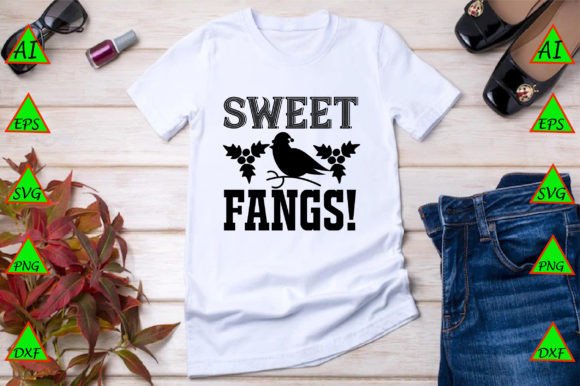
The mood of Sweet Fangs is undeniably playful yet edgy. It strikes a balance between cute and quirky, making it a versatile asset for a wide range of projects. The shape and layout suggest a design that relies heavily on clean lines and bold contrasts. In the world of Graphics and digital assets, this kind of clarity is essential. When viewed as a potential machine embroidery design, the visual personality suggests it would perform well on items that benefit from a touch of whimsy without losing sophistication.
For embroidery designers and Etsy sellers, the appeal lies in its adaptability. It does not scream "childish" exclusively, nor does it feel too severe for adult apparel. This duality is rare and valuable. When I imagine this stitched out, I see it working beautifully on a variety of substrates, provided the digitizing respects the original vector integrity. The theme invites creativity, whether used for a boutique brand logo or a fun accent on a holiday gift.
Real-World Application: The Custom Tote Test
To truly evaluate Sweet Fangs, I mentally placed it into a real-life scenario: a custom embroidered tote bag for a local artisan market. Tote bags are a staple for any craft business, but they present challenges due to the weave of canvas or cotton duck fabric. The design’s layout would need to be robust enough to stand out against the textured background.
In this context, Sweet Fangs shines as a focal point. Imagine it stitched in a contrasting thread colors scheme—perhaps white thread on a navy bag, or vibrant neon on black. The design’s structure suggests it could handle a combination of satin stitch borders and fill stitch interiors, depending on the size. For a small shop product, this level of visual impact can significantly boost buyer engagement. Customers are drawn to items that look professional and intentional, and a well-executed version of this design delivers exactly that.
Beyond totes, consider sweatshirt embroidery. Here, the fabric is softer and more prone to puckering if the stitch density is too high. Sweet Fangs would need to be scaled appropriately to ensure the details do not get lost in the fleece or cotton blend. For baby embroidery, the playful nature fits perfectly, but one must ensure there are no tiny, loose threads that could pose a safety hazard. Always prioritize safety and durability when creating handmade product items for infants.
Navigating Technical Challenges
While Sweet Fangs is visually appealing, it requires careful handling in certain embroidery situations. One must be cautious with hoop size limitations. If the design includes intricate corners or fine details, shrinking it too much for a small embroidered patch or a cap front could result in thread breaks or poor definition. Always test the design on scrap fabric first, especially when working with curved surfaces like caps or stretchy fabrics like jersey knits.
Another critical consideration is the stabilizer choice. For textured fabrics or thin materials, a cut-away stabilizer might be necessary to prevent distortion. Conversely, for stable woven fabrics, a tear-away might suffice. The key is to match the support to the fabric texture and the design’s complexity. When dealing with dark fabric, ensure your thread colors provide enough contrast. A lack of contrast can make even the best applique design look muddy and indistinct.
It is also worth noting that Sweet Fangs comes as part of a Freebies collection, which often means it is intended for broad use. However, always verify the licensing terms. Just because it is free does not mean it is free for all commercial uses. Check whether the design works for both personal and commercial projects before selling finished product items. This step is vital for maintaining professionalism and avoiding legal issues down the line.
Enhancing Brand Value and Customer Trust
Using high-quality design assets like Sweet Fangs can elevate your brand consistency. When customers see a well-stitched, clear design, it builds trust in your craftsmanship. This is particularly important for commercial embroidery projects where clients expect a certain level of polish. A messy or poorly executed design can undermine the perceived value of a personalized gift or custom apparel item.
For digital embroidery file users, the versatility of the provided formats is a bonus. The inclusion of Ai, EPS, and SVG files allows for customization before stitching. You can change colors in Illustrator or prepare the design for cutting machines if you plan to combine embroidery with vinyl or heat transfer elements. This flexibility is a huge advantage for creative entrepreneurs who want to offer unique, multi-media products.
Practical Notes for the Modern Maker
Before launching into production, take these practical steps. First, inspect the design in black and white mockups to check for clarity. If the details disappear in grayscale, they will likely disappear in thread. Second, compare the design on light and dark fabric backgrounds to ensure versatility. Third, confirm the stitch density settings in your embroidery software. Over-digitizing can lead to stiff, heavy patches that detract from the comfort of wearable items like tote bag design accents or holiday embroidery on towels.
Finally, remember that Sweet Fangs is a tool in your creative arsenal. Use it to tell a story, add personality, or create a memorable finished product. Whether you are an experienced embroidery project manager or a hobbyist just starting out, treating each design with respect and technical diligence will yield the best results. Keep experimenting, keep testing, and let your creativity guide how you bring this playful design to life.